Partnerships to Enhance Environmental Learning
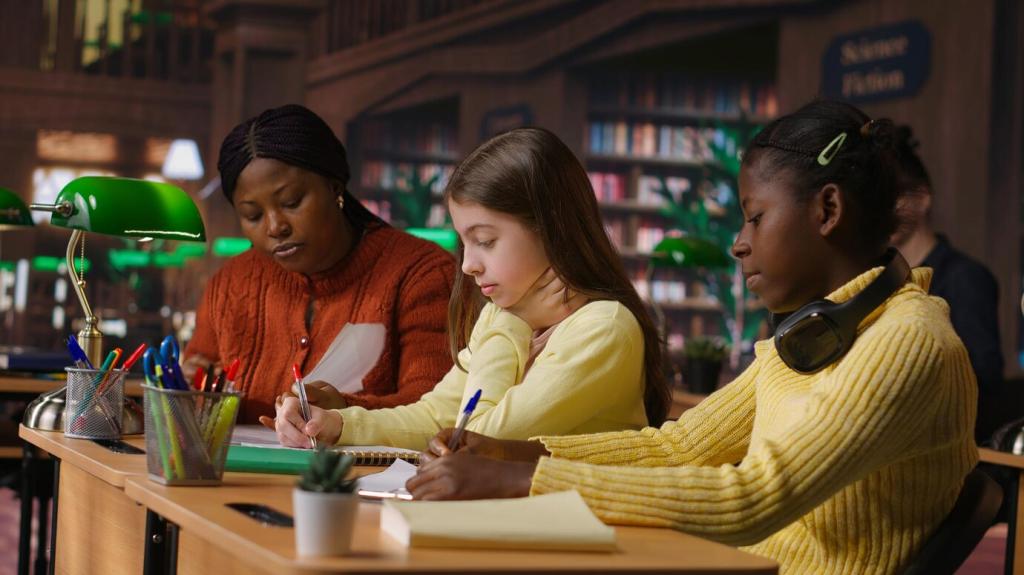
Chosen theme: Partnerships to Enhance Environmental Learning. Welcome to a space where classrooms, communities, scientists, and organizations team up to turn curiosity into real-world impact. Explore practical collaborations, heartfelt stories, and ways you can get involved. Subscribe and share your partnership ideas to help us grow a vibrant learning network.

A Fifth-Grade Garden That Fed a Neighborhood Pantry
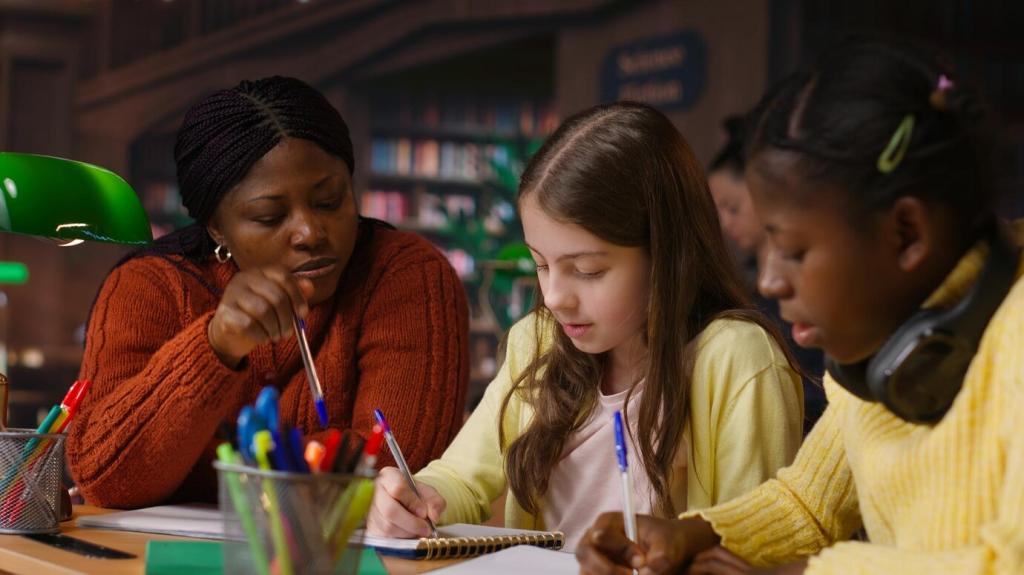
One teacher paired students with a nearby urban farm, and together they designed a pollinator-friendly garden that produced surplus greens for a local pantry. Kids learned soil health, insects, and seasonality while interviewing elders about favorite recipes. Share your dream garden partnership in the comments and inspire a nearby class.
Mapping Heat Islands Through a Town Hall Collaboration
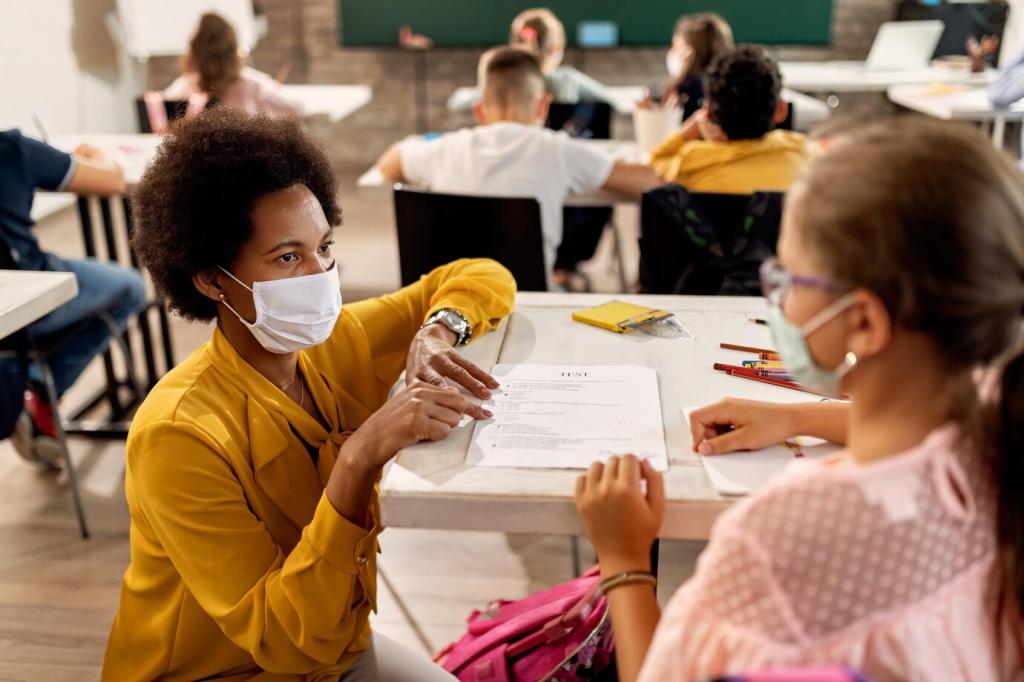
Students worked with city planners and a university lab to measure neighborhood temperatures on a July afternoon, revealing a seven-degree difference between shaded and treeless blocks. Their map informed the city’s tree-planting plan. Would your class try this? Comment to connect with a planner or scientist willing to mentor.

Parent and Alumni Mentors as Ecological Guides
A parent who manages stormwater offered a workshop on bioswales; an alum studying mycology led a fungi walk after rain. Mentors added credibility and excitement while helping teachers manage logistics. If you have a potential mentor, tag them and tell us how their skills could enrich your next environmental project.
Citizen Science Partnerships That Empower Students
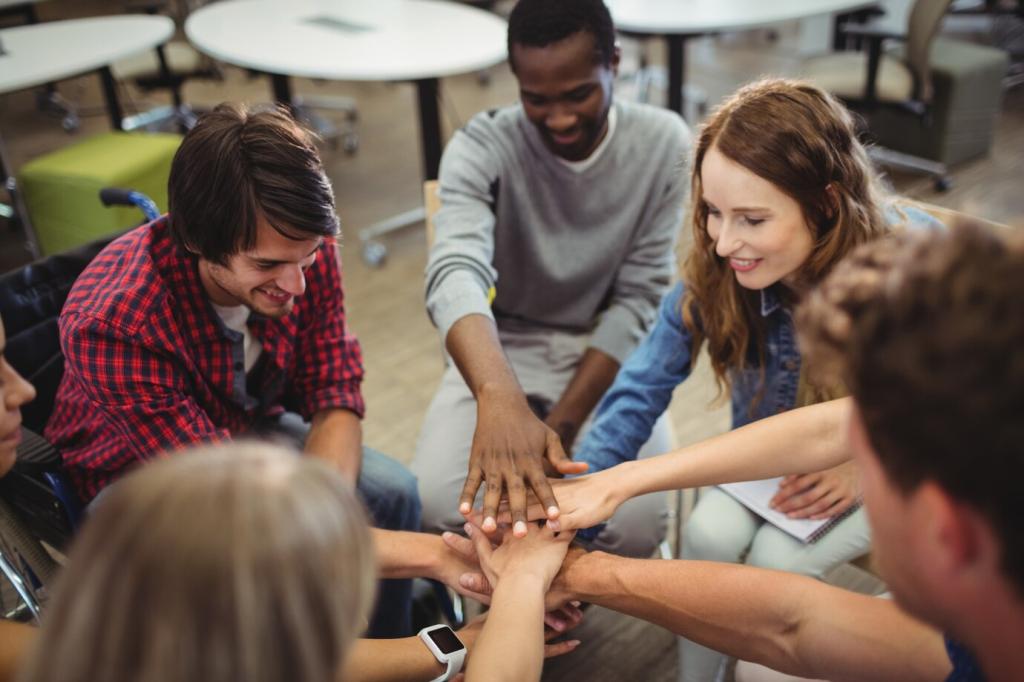
A middle school teamed with a regional ornithology group for a feeder watch. Students learned to avoid double counting, add weather notes, and document uncertainty. Their data contributed to migration analyses. What species could your class monitor next season? Share your location and we’ll suggest a partner dataset.
Citizen Science Partnerships That Empower Students
A maker club and local air quality nonprofit built DIY particulate sensors, housing them in artful laser-cut cases. Students compared results to official monitors and presented anomalies at a community forum. Want the build guide and partner checklist? Subscribe and we’ll send open-source designs with safety tips.
Bridging Classrooms and Conservation Organizations
Field Days With Park Rangers That Stick
A ranger-led coastal walk introduced dune grasses, shorebird nesting zones, and the story of a storm that reshaped the beach. Students practiced leave-no-trace while sketching plants. Weeks later, they still cited the ranger’s story about a rescued tern. Tell us which local habitat your class hopes to explore this year.

Restoration Projects as Living Curriculum
Working with a land trust, ninth graders removed invasive ivy, then returned to monitor native plant survival over seasons. They graphed growth, wrote field notes, and interviewed volunteers. The ongoing relationship kept learning alive. Could your class adopt a site? Share your constraints and we’ll suggest manageable tasks.
Industry and Startups as Learning Allies
Students toured a textile recycler and watched fibers become new insulation. A designer explained life-cycle assessment in plain language, and learners sketched ideas to reduce waste at school. If you’ve done a tour, what surprised students most? Comment with one photo-worthy moment you would recommend others plan around.

Industry and Startups as Learning Allies
A local data startup helped visualize cafeteria energy use and compost diversion. Students analyzed trends and proposed a lights-off campaign during lunch. The dashboard made invisible systems visible. Interested in a similar partnership? Subscribe to get a starter brief you can pitch to tech-savvy neighbors.
Learning With Indigenous and Local Knowledge
A class was welcomed by Elders who described seasonal indicators—returning birds, plant blooms, shifting winds—and their cultural significance. Students practiced note-taking with permission and reflected on reciprocity. Thinking of a visit? Ask how you can contribute back, then report in the comments how you honored that commitment.
Learning With Indigenous and Local Knowledge
Students, guided by community members, mapped traditional foods and water sources alongside contemporary land uses. They learned why some locations should remain private and how maps can protect or endanger. What sensitive considerations guide your mapping projects? Share strategies that help students handle knowledge with care.

Students as Exhibit Designers
Partnering with a museum, students curated a mini-exhibit on urban pollinators using their photos, data charts, and poetry. Visitors left notes with conservation pledges. The museum reported record dwell time. Would your class try co-curation? Comment with one exhibit idea and a title students would love to see displayed.
Storytime for Climate Resilience
A library hosted intergenerational storytime featuring picture books about rain gardens and flood safety, followed by a simple tabletop watershed activity. Families exchanged tips about sump pumps and sandbags. Want the booklist and activity guide? Subscribe for an easy-to-print kit libraries can adopt quickly.
After-School Eco Clubs That Stick
A park educator and teacher co-led a weekly club, rotating between trail maintenance, nature journaling, and species ID. Consistent adult presence and clear rituals kept kids returning. How do you sustain clubs across seasons? Share one tradition that helps students feel ownership and keeps momentum alive.
Measuring Impact and Sustaining Partnerships
Count attendance and hours, but also capture student confidence, curiosity, and stewardship actions at home. One class tracked household energy-saving pledges and tree plantings, then revisited progress monthly. Which indicator would excite your partners most? Post it and ask for ideas to make data collection student-led.
Portfolios combined data graphs, reflective writing, and photos from partner visits. A shy student’s creek sketches showed growing observational skill, impressing the watershed group. How do your students document learning? Share a portfolio prompt that sparks deep reflection about partnerships and the environment.
End-of-project showcases invited families, partners, and local officials. Students ran stations, thanked mentors, and presented next steps. A shared calendar scheduled the follow-up event immediately. What celebration format works for you—gallery walk, mini-conference, or field picnic? Comment and help others plan theirs.